Skip to content
If you’re planning to repaint your home, learning how to estimate a painting job for a home exterior is one of the most practical skills you can have. A precise, detailed estimate helps you understand what your project will cost, how long it might take, and which materials you’ll need. It’s not just about crunching numbers, it’s about planning smarter and ensuring your home looks great without any budget surprises.
Whether you’re tackling the job yourself or hiring exterior painters, understanding how estimates work allows you to compare quotes confidently and make informed choices. Let’s walk through what really goes into estimating your next exterior project and how to get it right from the start.
Why Accurate Exterior Painting Estimates Matter
When you’re planning a painting job, accuracy isn’t optional it’s essential. A realistic estimate keeps your budget in check, prevents project delays, and helps you choose the right materials and labor.
Estimating painting cost means evaluating everything: paint quality, prep work, surface condition, and how long the job will take. Without those details, it’s easy to underestimate your expenses and run into mid project surprises.

Step by Step Guide on How to Estimate a Painting Job for a Home Exterior
Follow these steps to build an estimate that’s both thorough and accurate:
Step 1 – Measure the Paintable Surface Area
Begin by measuring the total area that needs to be painted. Multiply the height and width of each wall, then subtract windows and doors. Take note of materials stucco, wood siding, or brick all affect how much paint you’ll use. Textured surfaces, for example, often need more coverage. This step lays the groundwork for everything that follows in the exterior painting process.
Step 2 – Calculate the Paint Needed
Once you know your total square footage, calculate how much paint you’ll need. Most exterior paints cover about 350 square feet per gallon. Divide your total surface area by that number to get your paint quantity.
If your home requires two coats or uses darker colors, adjust your numbers accordingly. This step also helps you establish a painting rate, which aids in estimating the overall material cost.
Step 3 – Determine the Painting Rate per Square Foot
Your rate per square foot depends on several factors: paint type, surface condition, prep work, and labor rates in your area. For example, repainting smooth vinyl siding might cost less per foot than textured stucco.
Check what local exterior house painters charge—usually between $1 and $4 per square foot to see where your project fits.
Step 4 – Estimate Labor Costs
Labor is often the biggest expense in any exterior project. To calculate, multiply the hourly rate of painters by the number of hours you expect the job to take. If you’re hiring skilled painters, their efficiency and quality can actually save you money in the long run.
Remember to factor in setup time, cleanup, and any specialized skills required for high or intricate area work.
Step 5 – Add Extra Costs
Every painting estimate should include the extras that are often overlooked primer, brushes, tape, caulk, and cleanup materials. If your home needs repairs or sanding before painting, include those as separate line items.
Accounting for these “hidden” costs early keeps your budget honest and your estimate complete.
Step 6 – Add a Profit Margin (for Contractors)
If you’re a contractor, remember to add a profit margin typically 10-30%. This ensures the sustainability of your business and covers unexpected expenses that may arise during the project.
Key Factors That Affect Exterior Painting Cost
Even with a solid formula, painting costs can vary widely. Here are the most significant factors that influence the total:
Size and Design of the Home
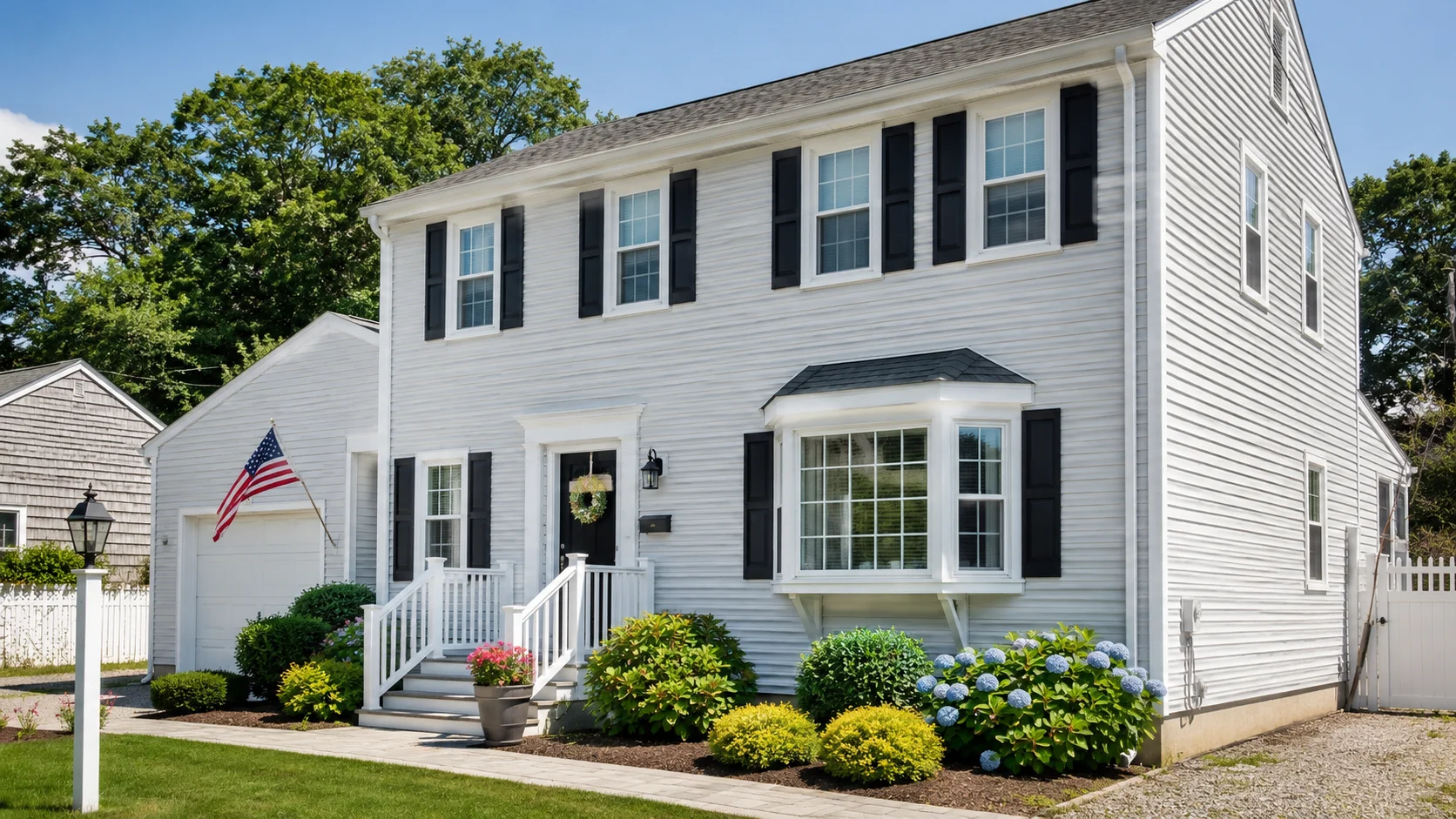
Larger homes naturally require more paint and labor, but the design also plays a significant role. Homes with multiple stories, complex trim, or decorative details take more time and precision.
Condition of the Exterior
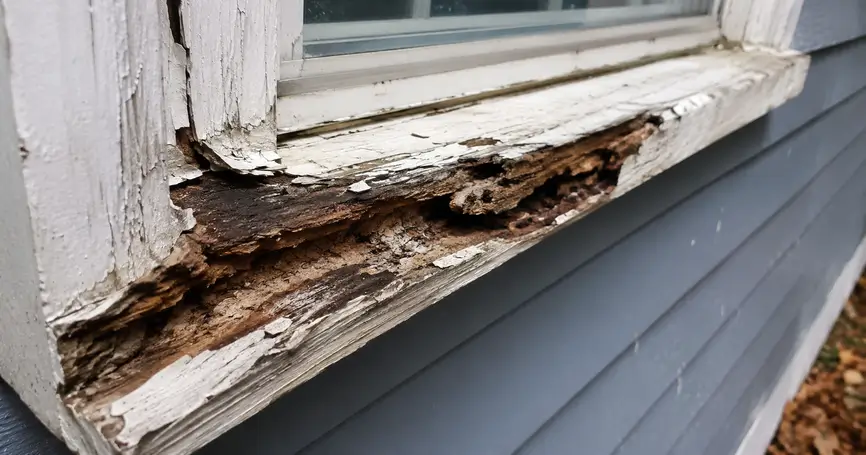
Surface prep can make or break a paint job. If your siding is cracked, peeling, or weathered, repairs and sanding will add to the total. A clean, well maintained surface reduces time and material costs.
Type and Quality of Paint
Paint quality directly affects cost, longevity, and appearance. Premium paints might be more expensive upfront, but often require fewer coats and resist fading better over time. Choosing wisely saves you money in maintenance later.
Location and Accessibility
Homes on steep slopes or with limited access points may require special equipment or extra labor time. If painters need scaffolding or lifts, those costs must be included in the painting cost breakdown.
Local Labor Rates
Labor costs vary by region and season. Demand during warmer months can drive up rates, while off season discounts might save you money if you plan strategically.
Average Exterior Painting Cost Breakdown
When learning to estimate an exterior painting job, understanding each cost factor helps you create a realistic, transparent budget.

| Cost Factor | Estimated Range / Details |
| Paint and Materials | $25–$70 per gallon, depending on quality. Include primer, brushes, rollers, drop cloths, caulk, and other supplies. |
| Labor | $1–$3 per square foot on average. Rates vary by region, painter experience, and project complexity. Skilled contractors may charge more but ensure faster, higher-quality results. |
| Prep Work & Repairs | $0.50–$2 per square foot, depending on surface condition. Includes cleaning, scraping, sanding, caulking, and minor repairs before painting. |
| Equipment Rental | $50–$200 per day based on needs. May consist of ladders, scaffolding, sprayers, or safety gear. |
| Total Estimated Painting Cost | The average total ranges from $1 to $4 per square foot, including paint, labor, prep, and equipment. Larger homes, multi-story exteriors, or damaged surfaces may raise overall costs. |
Common Mistakes to Avoid When Estimating Painting Jobs
Even experienced painters can make estimating errors that cost time and money. Here’s what to avoid:
- Skipping surface prep costs. Repairs, cleaning, and priming should always be included.
- Underestimating time. Set up, painting, and cleanup each take longer than expected.
- Forgetting primer or multiple coats. Some colors and surfaces need extra coverage.
- Ignoring equipment and transport costs. Ladders, scaffolding, and travel all add up.
Being realistic about these factors makes your estimate far more accurate and your final results more professional.
Pro Tips for Estimating Exterior Painting Projects (For Contractors)
When estimating a painting project for an exterior, don’t forget:
Inspect the Property in Person
Never rely on guesswork. Walk around the property and assess everything firsthand look for cracks, damaged siding, or mold that might require prep before painting.
Use Digital Estimating Tools
Software and apps designed for contractors can help you calculate precise measurements and costs, improving accuracy and professionalism.
Be Transparent in Your Estimates
Always outline what’s included (surface prep, primer, cleanup) and what’s not (repairs, additional coats). This builds trust and prevents miscommunication.
Offer Paint Options
Provide different price points standard, premium, and eco friendly paints, so homeowners can choose what fits their budget and preferences.
Plan Around Weather
Paint needs time to dry properly, so schedule projects in mild, dry weather. Temperature swings or high humidity can affect both cost and finish quality.
Final Thoughts: Set the Right Price for a Quality Finish
A solid estimate lays the foundation for a successful project. It’s not just about numbers it’s about understanding value, quality, and effort. When you take time to measure carefully, plan thoroughly, and account for every cost, you protect both your budget and your peace of mind.
Ready to get started? Get a Free Painting Estimate Today! Whether you’re repainting your home’s façade or updating your property’s curb appeal, our professional exterior painting team can provide an accurate, no-obligation quote. Contact us today to schedule a free on-site estimate and see how easy it is to bring new life to your home’s exterior.
Frequently Asked Questions
1. How do weather conditions affect exterior painting costs?
Weather plays a huge role in estimating costs. Rain or humidity can delay work, while extreme heat can cause paint to dry unevenly. Always plan projects during mild, dry weather to avoid wasted materials and schedule changes.
2. What kind of paint is best for outdoor use?
When choosing paint for exterior surfaces, consider durability and weather resistance. High quality acrylic latex paint is typically the best choice it’s durable, flexible, and fade resistant. If you prefer a glossy finish, alkyd based paints can also perform well but may require more prep work.
3. How can I prepare my home for an exterior paint job?
Start by washing exterior surfaces to remove dirt, mildew, or debris. Repair any cracks or damaged boards, then sand and prime as needed. Clear the area around your home for easy access and cover nearby plants or fixtures. Finally, make sure you have all the necessary supplies ready to go for a seamless process.
4. Should I DIY or hire a professional painter?
With the right experience and tools, DIY can save money. But if your home is large, multi-story, or needs extensive prep, hiring professional exterior house painters ensures a safe, efficient, and lasting result. Weigh the pros and cons based on your specific situation to make the best choice for your home.
5. What should I expect in a professional painting estimate?
A reliable estimate should list labor costs, materials, the number of coats, and prep work. It should also outline timelines and payment terms. Transparency is key never hesitate to ask for a breakdown before approving a bid.
6. Do painters offer warranties or guarantees?
Yes, most reputable painters include workmanship warranties (1–5 years) and paint product guarantees (up to 15 years). Always get these details in writing before work begins, so you have a clear understanding of your rights and the painter’s responsibilities.