Skip to content
Summary Highlights
| Wondering when to paint your house exterior? Summer is often the best time. With stable temperatures, longer days, and faster drying times, exterior painting becomes more efficient and durable. This guide explains how to pick the right time of day, avoid humidity and rain, and prep your home with steps like pressure washing and sealing. Learn ideal weather conditions, paint types, and why early mornings or late afternoons offer better results. If you’re in South Shore, MA, this seasonal guide includes regional weather tips, painting contractor insights, and signs your home needs a fresh coat. Boost curb appeal with confidence this summer. |
What’s the best time to paint a house exterior? Summer often tops the list. Warm temperatures and long days make it ideal, but success hinges on specific weather conditions. Choose early mornings or cooler evenings to avoid blistering heat. Knowing when and how to start can elevate your home’s curb appeal and ensure a lasting finish.
Are you ready to find the best time of year to call a painting contractor in South Shore? Let’s take a look now at what you need to know about South Shore exterior home painting services!
Why Summer Is Ideal for Exterior Painting
Planning the best time to paint a house exterior is more involved than you might think.
Summer’s the perfect time to paint your house exterior because you’ll enjoy stable temperatures and longer days. With faster drying times and better curing, your paint job will look great and last longer.

Stable Temperatures and Longer Days
Summer’s stable weather and long daylight hours create ideal conditions for painting. You’ll avoid rain delays and temperature drops, ensuring smooth application and faster completion. If you’re hiring a contractor in South Shore, MA, they’ll appreciate the consistency. The best time to paint outside is when the weather supports lasting results.
Faster Drying Times and Better Curing
Warm temperatures help paint dry and cure more quickly, reducing risks such as bubbling or peeling. Summer’s low humidity supports even drying, letting you apply multiple coats in less time. Proper curing boosts durability, keeping your exterior vibrant and protected for years. Summer’s quick results make painting more efficient and reliable.
Easier Scheduling with Painting Contractors
Summer simplifies scheduling. Contractors are more readily available, allowing you to book and start your project faster than in spring or fall. With extended daylight, they can work longer hours, speeding up completion. Competitive pricing and fewer delays make summer a smart time to connect with pros and paint.
Weather Conditions That Affect Exterior Painting
Temperature, humidity, and precipitation play a significant role in the success of your paint job. Understanding how weather impacts drying and adhesion helps you avoid costly mistakes.
Ideal Temperature Ranges for Paint Application
Painting in the optimal temperature range is crucial for achieving a smooth, long-lasting finish. Most paints perform best between 50°F and 85°F. Extreme heat causes paint to dry too quickly, while cold weather prevents it from adhering correctly.
Aim to work in the early morning or late afternoon when temperatures are stable and consistent. Avoid direct sunlight and always check the paint manufacturer’s guidelines to ensure you’re applying under optimal conditions.
Humidity and Moisture Considerations
High humidity can delay drying and cause paint to blister or peel. The ideal humidity range is 40% to 70%. If it’s too dry, paint might cure too fast and lead to uneven application. Also, ensure surfaces are dehydrated—moist siding or wood can compromise adhesion. Monitor the weather to select a day that provides optimal drying conditions, which will help your exterior paint job last longer.
Why You Should Avoid Rainy or Windy Days
Rain and wind can both ruin a fresh paint job. Rain, even in light amounts, can wash off wet paint, while wind stirs up dust and causes uneven drying. Both lead to poor results and potential rework. For the best outcome, choose a calm, dry day with mild temperatures. Planning around weather patterns ensures proper application and helps you hit the best time to paint the house exterior.
Regional Considerations for Summer Painting
Climate varies widely across regions, influencing when and how you should paint. Tailoring your approach to local conditions ensures the best possible finish and long-term durability. Here are some of the South Shore regional considerations to keep in mind as you figure out the best time to paint a house exterior in your area:

Hot vs. Mild Climates
Hot climates can cause paint to dry too fast, leading to peeling and uneven coverage. Stick to cooler times, such as morning or evening. Mild climates offer more flexibility, though high humidity can still affect drying. Knowing your climate helps you schedule paint jobs wisely and avoid common weather-related issues that impact finish quality.
Early Morning or Late Afternoon Painting Tips
Painting in summer calls for brilliant timing and regional awareness. Below is a handy list to help homeowners maximize their efforts and avoid weather-related pitfalls when working outdoors:
- Begin early or late to avoid the intense sun and fast drying.
- Use morning light for accurate color application.
- Choose cooler times for better comfort and coverage.
- Ensure surfaces are clean and dry before painting.
- Afternoon light helps reveal missed spots.
- Monitor forecasts for sudden humidity or rain.
- In South Shore, MA, avoid peak heat over 80°F.
- Paint when the humidity is below 80% for better adhesion.
- Watch out for pop-up summer showers.
- Plan around local patterns to achieve lasting results.
Local Weather Patterns in South Shore, MA
South Shore MA summers are warm and humid, often reaching temperatures above 80°F. Avoid peak heat to prevent poor adhesion. Paint when humidity is below 80% and skies are clear. Rain showers can pop up unexpectedly, so be sure to monitor the forecasts. Early morning or late afternoon offers cooler temps. Proper planning around local patterns ensures a durable, flawless exterior coat.
Signs Your Home Needs an Exterior Paint Job
Peeling, fading, or cracking paint signals it’s time for a refresh. Keep an eye out for these signs to protect your home from damage and preserve curb appeal.
Peeling or Faded Paint
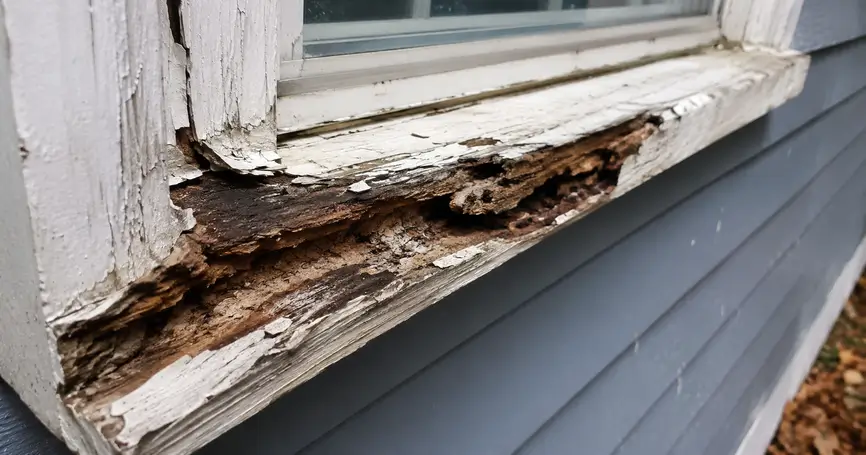
Peeling or faded paint exposes your home to moisture, signaling it’s time for an update. UV damage and wear lessen curb appeal, making a fresh coat essential to restore protection and visual impact.
Mold, Mildew, and Stains
Visible mold, mildew, or stains can lead to long-term damage. Acting quickly preserves your home’s value and appearance. Regular maintenance, including timely painting, keeps surfaces clean, sealed, and more resistant to future issues.
Cracks or Gaps in Wood or Siding
Cracks and gaps in siding can mean moisture problems or aging materials. Paint helps seal and protect these vulnerable spots, preventing rot and boosting your home’s resilience against the elements.
Curb Appeal Boost Before Selling
A fresh coat of paint can transform a tired exterior and attract buyers. Highlight architectural details, erase wear, and signal care. The best time to paint outside is when conditions allow you to do so effectively and increase the property’s value.
Summer Exterior Painting Tips for Homeowners
Make the most of warm weather with innovative techniques. From prep work to timing, these tips help you tackle summer painting projects with confidence and efficiency.
Choose the Right Type of Exterior Paint
Select a paint based on your surface type and climate. Acrylic latex is suitable for most exteriors. In humid areas, opt for mildew-resistant options. Satin or semi-gloss finishes provide added durability and shine for long-term results.
Prep Your Home for Best Results
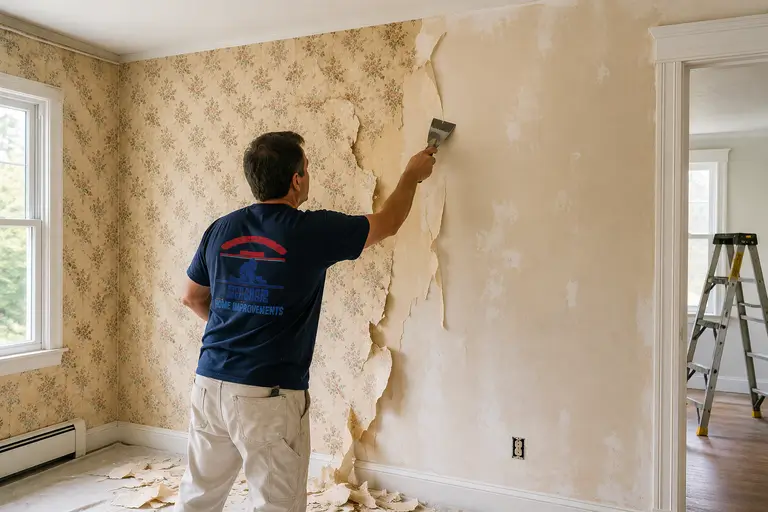
Clean thoroughly to remove dirt and mildew. Scrape peeling paint and sand edges for smooth transitions. Primer enhances paint adhesion and finish. Proper prep leads to a longer-lasting exterior, especially when done before summer heat hits.
Work With Professional Painting Contractors
Hiring a professional painting contractor in South Shore, MA, saves time and boosts results. Contractors tailor products to your home and handle scheduling, cleanup, and safety. Always check reviews and credentials to ensure a reliable, high-quality job with lasting value.
Ensure Safety & Proper Coverage in High Heat
Stay safe by painting early or late—often the best time to paint outside. Avoid direct sunlight to prevent uneven drying. Wear breathable clothing, hydrate, and use heat-resistant paint. Secure ladders and work with a buddy.
FAQs
When considering the best time to paint your house exterior, you likely have several questions in mind. Here are some of the most common ones our team receives when homeowners consider the best time to paint a house exterior:
Can You Paint Your House Exterior in Extreme Heat?
Yes, but it’s tricky. Paint early in the morning or late in the afternoon to avoid blistering heat. Use high-quality paint specifically designed for hot weather, and apply it in small sections to prevent rapid drying. Keep surfaces moist and stay hydrated. With the right prep and pace, you can still get great results.
What Month Is Best to Paint a House?
June is often ideal—warm, dry, and with long daylight hours—temperatures between 60°F and 85°F work best. Avoid the heat and heavy rain of July and August. In rainy areas, September may offer cooler, drier conditions. Always check the forecast for humidity and rain to avoid interruptions.
Is Spring or Fall Better Than Summer for Painting?
Spring and fall offer milder weather than summer. Spring has fewer rainy days and ideal temperatures for paint adhesion. Fall brings cooler air, lower humidity, and perfect drying conditions before winter arrives. Both seasons reduce heat-related issues, making them innovative alternatives depending on your climate.
How Long Does Exterior Paint Need to Dry?
Dry time varies. Latex paint dries in 1–2 hours, while oil-based paint dries in 4–6 hours. But allow 24 hours before recoating. Humidity and heat affect the dry time—high moisture slows it down, while heat speeds it up. Always follow the paint label and weather conditions to ensure a lasting finish.
Should I Hire a Painting Contractor or DIY?
If you’re experienced and equipped, DIY can save money and give flexibility. However, for tough angles or large surfaces, consider hiring a professional for safety and quality. Contractors offer expertise, faster work, and access to better tools. Choose based on your skill level, time, and budget.
Partner With a Trusted Exterior Painting Contractor
Partnering with a trusted exterior painting contractor ensures top-notch results and saves you time and effort. Professionals know the best materials for your surface and climate, offering expert color advice and efficient work. A contractor can also advise on the best time to paint the house exterior for lasting durability, ensuring your home looks polished and well-maintained.
Final Thought on South Shore Exterior Home Painting Services
Summer offers the best conditions for a successful exterior paint job. Warm temperatures and dry days help ensure smooth application and lasting results. Always check the weather before starting, and if you need expert guidance or a flawless finish, consider hiring a reliable painting contractor in the South Shore area to get the job done right.
Our Outh Shore team can help take the guesswork out of determining the best time to paint a house exterior. Get a free exterior painting estimate today – call our friendly and knowledgeable team to get started!