Skip to content
Painting your home’s exterior is one of the most impactful ways to improve curb appeal and protect your investment. However, it requires careful planning, the right tools, and a good understanding of proper techniques to achieve a long lasting, professional looking finish. From surface preparation to the final coat, every step matters.
In this guide, we’ll cover everything you need to know about how to paint your exterior house, including materials, safety tips, common mistakes to avoid, and the benefits of hiring professional local painters in Boston. Let’s take a closer look now and see what all is involved in learning how to paint the exterior house to make it look its absolute best!
Why Painting Your Home’s Exterior Matters
Painting your exterior is more than a cosmetic upgrade. A fresh coat of paint helps:
Boosting Curb Appeal
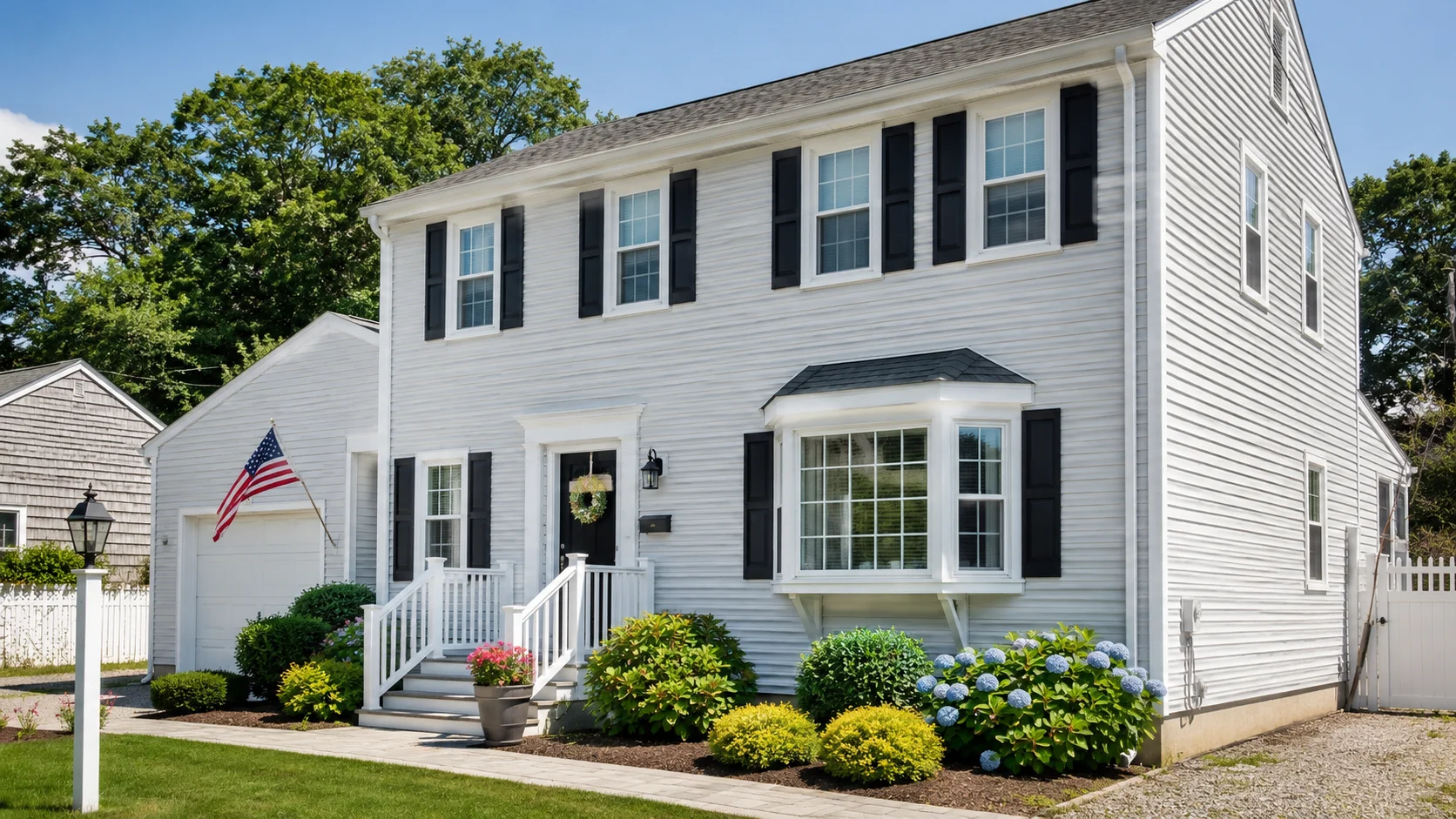
A newly painted exterior instantly transforms the look of your home, making it more attractive to guests and potential buyers. Choosing a color that complements your neighborhood and architectural style is key when learning to paint an exterior house. Bold accents can create a modern look, while classic tones add a touch of traditional charm.
The right color strategy can make your home stand out while maintaining harmony with surrounding properties.
Protecting Your Home from the Elements
Exterior paint isn’t just decorative, it serves as a protective barrier against moisture, UV rays, wind, and pests. Poorly maintained siding can lead to rot, mold, and structural issues. High quality exterior paint, applied correctly, helps prevent these problems and prolongs the life of your home. Regular maintenance and timely repainting guarantee that your house remains resilient year round.
How to Paint the Exterior House: Step by Step
Successful exterior painting begins with proper preparation and the right tools. Skipping steps often results in uneven outcomes or premature wear. Follow these steps to achieve professional results:

Gather the Right Tools and Materials
Having the right tools is crucial. Essentials include:
- High quality exterior paint and primer.
- Brushes and rollers suitable for exterior surfaces.
- Drop cloths to protect landscaping and walkways.
- Painter’s tape for clean edges.
- Ladders or scaffolding for higher surfaces.
- Safety equipment like goggles, gloves, and masks.
If you’re unsure what to buy, consulting house painters in Boston can save time and help you get products designed for your local climate. Professionals often provide guidance on paint brands, finishes, and colors suitable for Massachusetts weather.
Prep Work: Cleaning, Scraping, and Sanding
Proper preparation is the most important step in exterior painting:
- Cleaning: Wash siding with water, mild detergent, or a pressure washer on a low setting to remove dirt, mildew, and loose paint.
- Scraping: Remove peeling or flaking paint with a paint scraper.
- Sanding: Smooth rough areas to allow paint to adhere correctly.
Following these steps, as recommended by local painters, ensures a longer lasting, smoother finish.
Repairing Cracks and Damaged Siding
Before painting, inspect for:
- Cracks and holes.
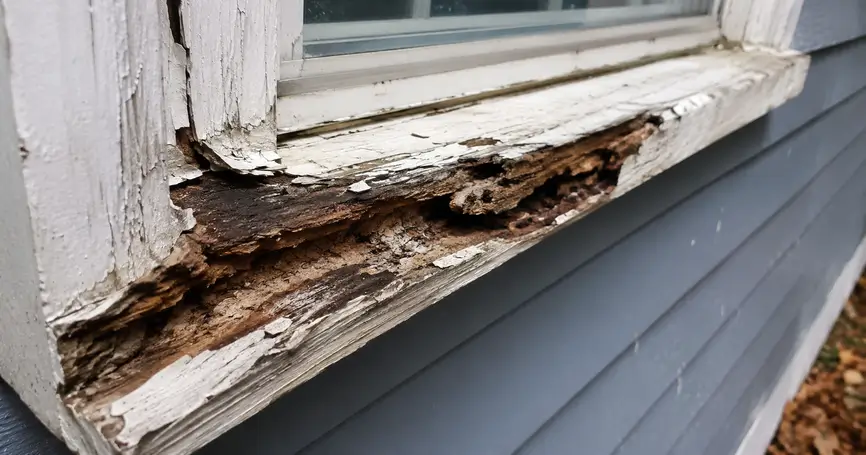
- Damaged or rotten siding.
Repair steps:
- Fill small cracks with high quality filler.
- Sand repaired areas smooth.
- Replace any siding that is too damaged.
Addressing these issues beforehand guarantees a flawless result and prevents water damage under the new paint.
Priming Before Painting
Priming is essential for adhesion and uniform coverage:
- Select a primer that is suitable for your siding material.
- Apply evenly with a brush or roller.
- Pay attention to corners and edges.
- Allow primer to dry completely before painting.
Professional house painters emphasize this step, especially in humid or coastal areas, to prevent peeling and uneven finishes.
Applying the First and Second Coats
When painting:
- Start at the top and work your way down.
- Maintain a wet edge to avoid lap marks.
- Apply two coats for durability and depth of color.
- Inspect for drips or uneven areas.
- Follow the manufacturer’s recommended drying times.
Allow the first coat to dry completely before applying the second coat. Using high-quality brushes or rollers ensures smooth coverage and reduces streaking.
Choosing the Right Paint and Colors When Painting Home Exterior
Let’s explore the best options to ensure your project is both aesthetically pleasing and functional. Here’s what you need to know to understand how to paint the exterior house:
Best Types of Exterior Paint for Durability
For long-lasting results, select paints formulated for exterior use:
- Acrylic latex: Flexible, durable, and resistant to cracking.
- Oil-based: Hard finish, excellent for high-traffic areas.
- Elastomeric: Waterproofing and expansion properties.
- Masonry paint: Designed for brick and stucco surfaces.
Tips for Selecting Colors that Fit your Home’s Style
Start by researching color palettes that complement your home’s architectural style. Consider the surrounding environment, existing features, and local trends in Boston neighborhoods for aesthetic appeal test samples in different lighting to verify accuracy.
Don’t shy away from bold accents, but balance them with neutral tones. Ultimately, choose colors that reflect your preferences while respecting architectural integrity.
Common Mistakes to Avoid When Painting Your Home Exterior
Avoiding common errors means a professional finish and long-lasting protection.
Skipping Surface Preparation
Neglecting prep work is a top reason for paint failure. Always:
- Clean surfaces thoroughly.
- Repair cracks and damaged areas.
- Sand rough spots for smooth adhesion.
- Prime bare surfaces before painting.
Painting in the Wrong Weather Conditions
Weather can make or break an exterior paint job:
- Ideal conditions: mild temperatures and low humidity.
- Avoid painting in direct sun, rain, or high winds.
- Ensure surfaces are dry to prevent peeling.
Using Low-Quality Paint or Brushes
Using low-quality paint or brushes can result in disappointing outcomes. Investing in quality materials pays off:
- Superior pigments for vibrant, long-lasting color.
- Durable finishes that withstand weather.
- Better brushes or rollers for smooth application.
DIY vs. Hiring Professional Local Painters
You can make a better decision if you are aware of the advantages and conditions of each option:

When a DIY Approach Makes Sense
Choosing between a DIY approach and hiring professional painters often depends on your specific circumstances and skills. Consider a DIY project if:
- You have prior painting experience.
- The project scope is manageable.
- You have time and enjoy hands-on work.
Why Homeowners Hire House Painters in Boston
Many homeowners opt for professional services because:
- Experts know how to paint an exterior house efficiently.
- They bring specialized tools and techniques.
- They identify hidden issues like rot or moisture.
- Professionals save time and promise a long-lasting finish.
Benefits of Professional Exterior Painting Services
Professional painters offer distinct advantages that can greatly enhance the overall outcome:
- Expertise in surface prep and paint selection.
- Access to high-quality tools and materials.
- Faster, more efficient project completion.
- Results that boost curb appeal and protect your investment.
Cost Considerations for Painting a Home Exterior
When planning to paint your home’s exterior, understanding the average cost ranges helps you plan and budget effectively.
Average Cost Ranges
Painting a typical home exterior can range from $1,500 to $4,000, depending on:
- Size of the home.
- Type of paint used.
- Labor costs in your area.
- Preparation work is needed.
Factors That Affect Pricing
Several factors considerably impact the pricing of your exterior house painting project:
- Geographic location.
- Seasonal demand.
- Condition of existing siding.
- Accessibility of complex areas.
Hiring local professionals can help you navigate these factors efficiently and often results in a more predictable budget.
Final Thoughts- How to Paint the Exterior House Efficiently
Renovating your exterior may seem daunting, but knowing how to paint your exterior house surfaces correctly ensures a beautiful, long-lasting finish. Whether you choose a DIY approach or hire professional local painters in Boston, understanding the process and costs will help you achieve a professional looking result. A freshly painted exterior not only enhances curb appeal but also protects your home from the elements and increases its property value.
Ready to refresh your home’s exterior? Contact our expert house painters in Boston today for a free estimate!
Frequently Asked Questions
1. What tools do I need for painting my home’s exterior?
Essential tools include a high-quality paintbrush and roller, a sturdy ladder for high areas, painter’s tape for clean edges, a drop cloth to protect surfaces, and a paint tray for convenience. A power washer helps prepare surfaces, and safety gear, such as gloves and goggles, ensures protection throughout the project.
2. How often should I repaint my house’s exterior?
Most homes benefit from repainting every five to seven years, depending on climate, paint quality, and surface material. Signs like peeling, fading, or mold growth indicate it’s time to act sooner. Regular inspections and maintenance help preserve your home’s appearance and protect it from the elements.
3. Can I paint over old paint?
Yes, but proper surface preparation is key. Clean the area thoroughly and remove any peeling paint. Sand glossy surfaces to improve adhesion, and apply a primer if you’re covering a different color or paint type. These steps guarantee a smooth, long-lasting finish.
4. How do weather conditions affect exterior painting?
Temperature, humidity, and moisture all impact results. Extreme heat can cause paint to dry too quickly, while cold temperatures slow down drying and thicken the paint. High humidity may lead to peeling or the growth of mildew. Aim for moderate temperatures and low humidity for the best finish and durability.
5. Is it safe to paint my house myself?
Yes, with proper precautions. Wear protective gear, use a sturdy ladder or scaffolding, and check weather conditions before starting. Prepare surfaces carefully and choose appropriate paint. If you’re uncomfortable with heights or the project’s scope, hiring a professional is a safer option.
6. Do I need professional help for large or complex projects?
Large homes, intricate designs, or hard-to-reach areas benefit from the expertise of professional painters. Experts bring the right tools, techniques, and efficiency to produce quality results while minimizing safety risks.